Ariel Concert Series
  • Home
  • About Us
  • 25/26 SEASON
    • 9/21/2025
    • 10/24/2025
    • 11/8/2025
    • 12/15/2025
    • 1/20/2026
    • 2/15/2026
    • 3/8/2026
    • 5/4/2026
    • 6/1/2026
  • Past Seasons
    • 24/25 season >
      • 9/14/2024
      • 10/4/2024
      • 11/6/2024
      • 12/10/2024
      • 2/16/2025
      • 3/7/2025
      • 3/30/2025
      • 4/11/2025
      • 4/23/2025
      • 5/19/2025
      • 6/2/2025
      • 6/16/2025
    • 23/24 season >
      • 9/7/2023
      • 9/22/2023
      • 10/20/2023
      • 11/7/2023
      • 12/21/2023
      • 12/22/2023 (private event)
      • 12/22/2023
      • 1/30/2024
      • 2/11/2024
      • 2/23/2024 Meng-Chieh Liu
      • 3/18/2024
      • 4/16/2024
      • 5/9/2024
      • 6/3/2024
      • 6/16/2024
    • 22/23 season >
      • MBG Concerts 2022
      • 09/28/2022
      • 10/28/2022
      • 11/14/2022
      • 12/05/2022
      • 01/30/2023
      • 02/28/2023
      • 03/06/2023
      • 04/24/2023
      • 05/10/2023
      • 06/05/2023
      • 06/23/2023
    • 21/22 season >
      • 09/01/2021
      • 09/18/2021
      • 10/13/2021 Lindenwood Master Class
      • 10/25/2021
      • 11/05/2021
      • 12/13/2021
      • 01/24/2022
      • 02/13/2022
      • 03/07/2022
      • 04/05/2022
      • 05/23/2022
      • 06/13/2022
  • Photo Gallery
  • Music Archive
  • Support
  • Contact
  • Home
  • About Us
  • 25/26 SEASON
    • 9/21/2025
    • 10/24/2025
    • 11/8/2025
    • 12/15/2025
    • 1/20/2026
    • 2/15/2026
    • 3/8/2026
    • 5/4/2026
    • 6/1/2026
  • Past Seasons
    • 24/25 season >
      • 9/14/2024
      • 10/4/2024
      • 11/6/2024
      • 12/10/2024
      • 2/16/2025
      • 3/7/2025
      • 3/30/2025
      • 4/11/2025
      • 4/23/2025
      • 5/19/2025
      • 6/2/2025
      • 6/16/2025
    • 23/24 season >
      • 9/7/2023
      • 9/22/2023
      • 10/20/2023
      • 11/7/2023
      • 12/21/2023
      • 12/22/2023 (private event)
      • 12/22/2023
      • 1/30/2024
      • 2/11/2024
      • 2/23/2024 Meng-Chieh Liu
      • 3/18/2024
      • 4/16/2024
      • 5/9/2024
      • 6/3/2024
      • 6/16/2024
    • 22/23 season >
      • MBG Concerts 2022
      • 09/28/2022
      • 10/28/2022
      • 11/14/2022
      • 12/05/2022
      • 01/30/2023
      • 02/28/2023
      • 03/06/2023
      • 04/24/2023
      • 05/10/2023
      • 06/05/2023
      • 06/23/2023
    • 21/22 season >
      • 09/01/2021
      • 09/18/2021
      • 10/13/2021 Lindenwood Master Class
      • 10/25/2021
      • 11/05/2021
      • 12/13/2021
      • 01/24/2022
      • 02/13/2022
      • 03/07/2022
      • 04/05/2022
      • 05/23/2022
      • 06/13/2022
  • Photo Gallery
  • Music Archive
  • Support
  • Contact

Program

Schumann: Six Canonic Studies Op 56 for Oboe, Cello and Piano
II. Mit innigem Ausdruck 
III. Andantino 
V. Nicht zu schnell 


​Gerald Finzi: Interlude for Oboe and String Quartet 
​

Martinu: Oboe Quartet for Oboe, Violin, Cello and Piano
I. Moderato poco allegro
II. Adagio - Andante poco moderato - Poco allegro

Mendelssohn: String Quintet No.2 
I. Allegro vivace 
II. Andante scherzando 
III. Adagio e lento  
IV. Allegro molto vivace 
Date: October 20, 2023.
​Time: 7:30pm
Location: Grace United Methodist Church   
Address:
6199 Waterman Blvd, St. Louis, MO 63112
Admission: Free

Concert Artists

Picture
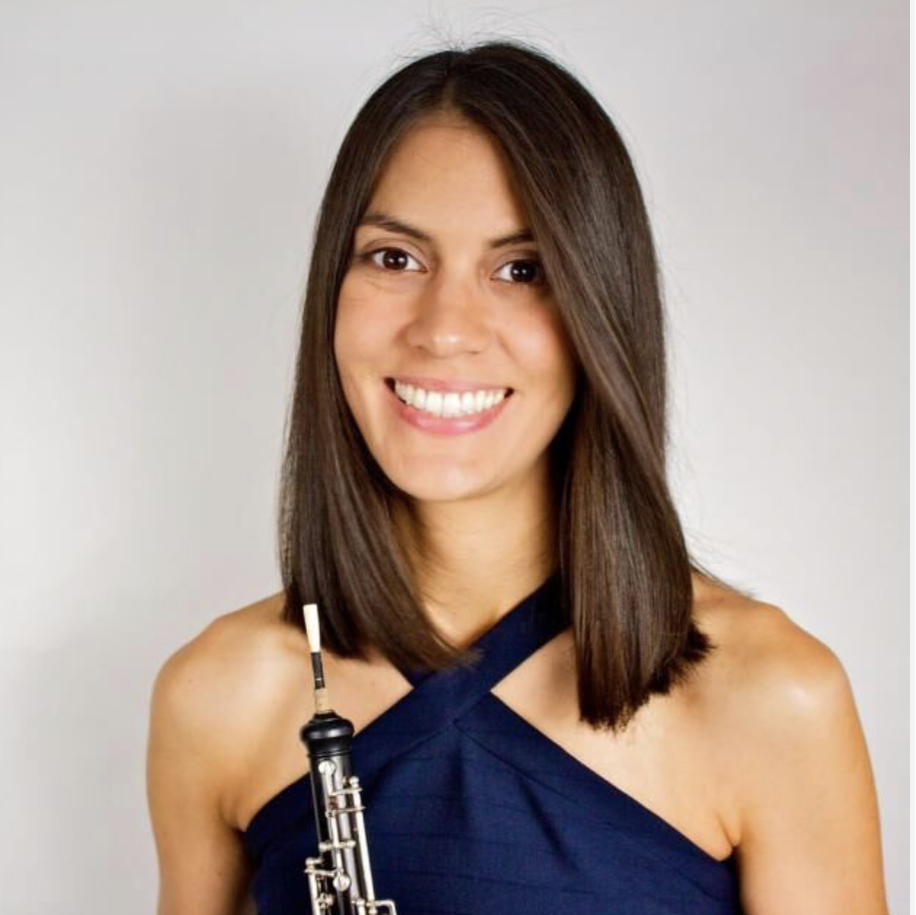
Xiomara Mass  / Oboe
Picture
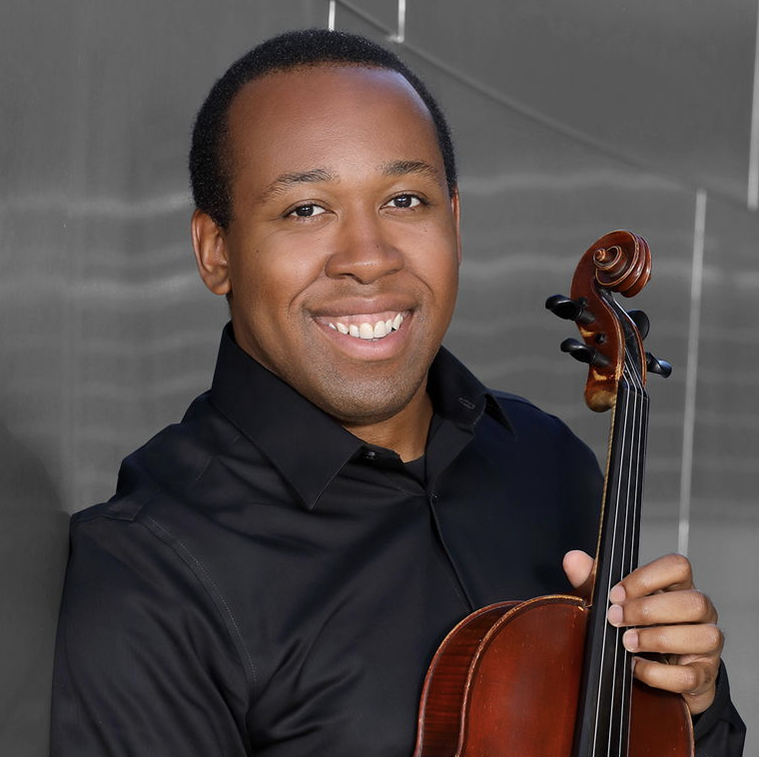
Andrew  Francois / Viola
Picture
Nina Ferrigno / Piano
Picture
Shawn Weil / Violin
Picture
Beth Guterman Chu / Viola
Picture
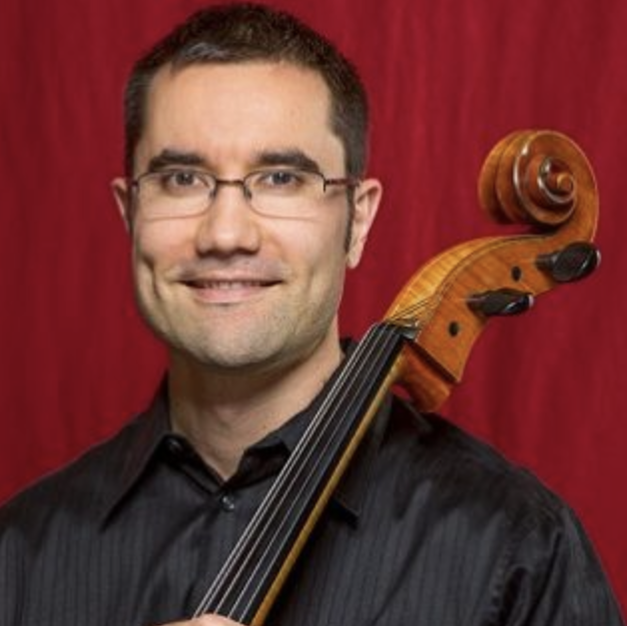
Davin Rubicz / Cello
Picture
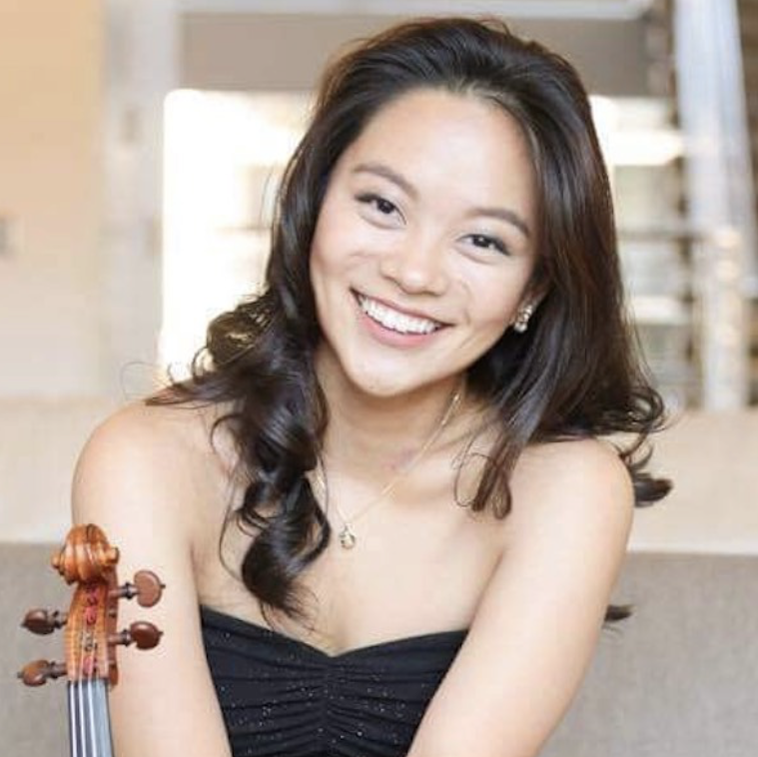
Seul Lee / Violin
Picture
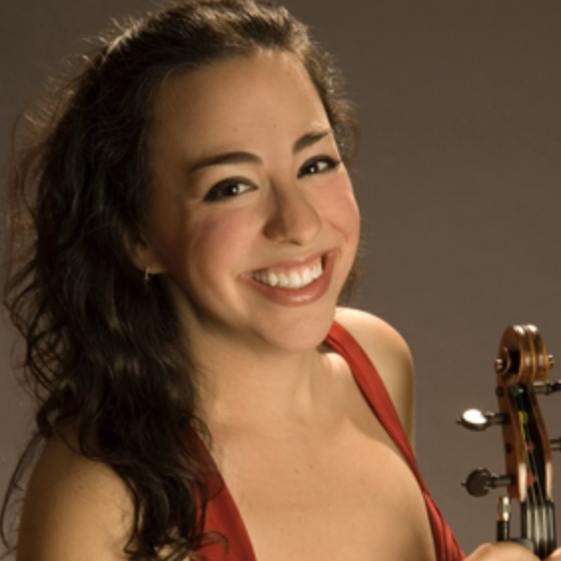
Hannah Ji / Violin
Schumann: Six Canonic Studies Op 56 for Oboe, Cello and Piano
Robert Schumann (1810-1856) was born in what is today considered Central Germany. He was the youngest of five children. His father was an author and a bookseller and Schumann’s exposure to music and literature at a young age had a lasting influence throughout his life. Although he initially intended to study law he was encouraged by his piano teacher, Friedrich Wieck, to pursue a career as a concert pianist. Unfortunately, early on in his career Schumann experienced great discomfort in his hand that forced him to curtail his career as a performer and turn solely to composition. Modern scientists think the discomfort was actually a form of dystonia.

Schumann married Clara, the daughter of his piano teacher in 1940. They had eight children together and also shared a life of musical collaboration. Clara was an accomplished pianist herself and an inspiration for Schumann. After he married Clara, he started composing for a wider variety of instruments. By the end of his life Schumann had composed a large library of works including ballets, chamber music, lieder, piano pieces, concerti, and symphonies. In 1953, Johannes Brahms was traveling through Düsseldorf and introduced himself to Robert and Clara Schumann with the help of a letter from their mutual friend Joseph Joachim, a famous virtuoso violinist of the time. The Schumann’s were so impressed with Brahms abilities as a composer that he was invited to stay with their family for months. He would remain a devoted, lifelong friend to both Robert and Clara. In 1854, Schumann tried to commit suicide. He had suffered from depression and delusions for many years, and they had increased to a point at which he was unable to bear. Although he survived his attempt at suicide he was subsequently voluntarily admitted to a mental hospital. He would live out the remaining two years of his life at the hospital with only one final visit from Clara days before he died.

Schumann’s Six Canonic Studies were originally written for pedal piano in 1845. The pedal piano is a piano that is built with pedals to extend the bass register of the piano similarly to an organ. The original pedal pianos date back to the 18th century and were equipped with an extensive pedal board to be played by the feet. Claude Debussy would later arrange the Six Canonic Studies for two pianos. The piece can also be played by four hands on a modern piano. Other arrangements have been written in recent years, often for a trio of instruments including violin, cello, and piano or oboe, bassoon, and piano. On this program, the arrangement is for oboe, cello, and piano.


Gerald Finzi: Interlude for Oboe and String Quartet
Gerald Finzi (1901-1956) was one of the most prominent British composers of his generation. He was famous for his choral compositions, but also wrote for many other instrumentations. In the early 1930’s, Finzi held a teaching position at the Royal Academy of Music made possible through a connection with Ralph Vaughn Williams. He left his teaching post in 1933, married, and resettled in Aldbourne Wiltshire. Finzi committed his time to composing and growing rare English apple varieties. He also collected books of poetry, philosophy, and literature and by the end of his life had a library of over 3,000. Finzi began composing Interlude for Oboe and String Quartet in 1932. It took four years to complete. The piece is dedicated to Leon Goosens, a virtuoso oboist of the day, and Menges String Quartet. Its premiere was at Wigmore Hall on March 24th, 1936.

Mendelssohn: String Quintet No.2
Felix Mendelssohn (1809-1847) was a German composer, pianist, organist, and conductor. He died at the tragically young age of 38, but was still able to compose a huge library of works during his lifetime. Among his most famous compositions are Midsummer Night’s Dream, Symphony No. 4 (Italian), his Violin Concerto in E Minor, and his String Octet In E-flat Major. While Mendelssohn was on holiday in Frankfurt in 1845, he composed the String Quintet No. 2. He was unhappy with the result, and didn’t consider the work to be worthy of more than an exercise in composition. Mendelssohn died two years after its completion, but the piece
wasn’t published until 1851.


Martinu: Oboe Quartet for Oboe, Violin, Cello and Piano
Bohuslav Martinů (1890-1959) was born in Bohemia or what is now known as the Czech Republic. He studied violin from a young age, and entered the Prague Conservatory when he was about 16 years old. Martinů didn’t do well in class or studying the required subjects. He was expelled in 1910. However, during his time in Prague, Martinů developed a keen ability to memorize music he heard during concerts and then afterwards write down the musical score almost exactly. This talent led him to pursue a career in composition. Martinů was a prolific composer, and during his lifetime amassed a large library of works, including 15 operas, 14 ballets, 6 symphonies, and many other chamber and vocal works. He also continued to play the violin throughout his life, and for a few years, maintained a position with the Czech Philharmonic Orchestra.

Martinů was known to have a quirky personality. Based on studies done in 2009 by Frank James Rybka, Martinů’s biographer, it is highly likely that Martinů was on the Autism spectrum. Martinů wrote the Quartet for Oboe, Violin, Cello, and Piano in 1947. He was living in New York at the time and teaching composition at Mannes College. Martinů dedicated the work to Leopold Mannes, co-creator of Kodachrome color film and president of Mannes College, now known as Mannes School of Music - The New School.
Contact Us: [email protected]
© 2025 Ariel Concert Series

​​