Ariel Concert Series
  • Home
  • About Us
  • 25/26 SEASON
    • 9/21/2025
    • 10/24/2025
    • 11/8/2025
    • 12/15/2025
    • 1/20/2026
    • 2/15/2026
    • 3/8/2026
    • 5/4/2026
    • 6/1/2026
  • Past Seasons
    • 24/25 season >
      • 9/14/2024
      • 10/4/2024
      • 11/6/2024
      • 12/10/2024
      • 2/16/2025
      • 3/7/2025
      • 3/30/2025
      • 4/11/2025
      • 4/23/2025
      • 5/19/2025
      • 6/2/2025
      • 6/16/2025
    • 23/24 season >
      • 9/7/2023
      • 9/22/2023
      • 10/20/2023
      • 11/7/2023
      • 12/21/2023
      • 12/22/2023 (private event)
      • 12/22/2023
      • 1/30/2024
      • 2/11/2024
      • 2/23/2024 Meng-Chieh Liu
      • 3/18/2024
      • 4/16/2024
      • 5/9/2024
      • 6/3/2024
      • 6/16/2024
    • 22/23 season >
      • MBG Concerts 2022
      • 09/28/2022
      • 10/28/2022
      • 11/14/2022
      • 12/05/2022
      • 01/30/2023
      • 02/28/2023
      • 03/06/2023
      • 04/24/2023
      • 05/10/2023
      • 06/05/2023
      • 06/23/2023
    • 21/22 season >
      • 09/01/2021
      • 09/18/2021
      • 10/13/2021 Lindenwood Master Class
      • 10/25/2021
      • 11/05/2021
      • 12/13/2021
      • 01/24/2022
      • 02/13/2022
      • 03/07/2022
      • 04/05/2022
      • 05/23/2022
      • 06/13/2022
  • Photo Gallery
  • Music Archive
  • Support
  • Contact
  • Home
  • About Us
  • 25/26 SEASON
    • 9/21/2025
    • 10/24/2025
    • 11/8/2025
    • 12/15/2025
    • 1/20/2026
    • 2/15/2026
    • 3/8/2026
    • 5/4/2026
    • 6/1/2026
  • Past Seasons
    • 24/25 season >
      • 9/14/2024
      • 10/4/2024
      • 11/6/2024
      • 12/10/2024
      • 2/16/2025
      • 3/7/2025
      • 3/30/2025
      • 4/11/2025
      • 4/23/2025
      • 5/19/2025
      • 6/2/2025
      • 6/16/2025
    • 23/24 season >
      • 9/7/2023
      • 9/22/2023
      • 10/20/2023
      • 11/7/2023
      • 12/21/2023
      • 12/22/2023 (private event)
      • 12/22/2023
      • 1/30/2024
      • 2/11/2024
      • 2/23/2024 Meng-Chieh Liu
      • 3/18/2024
      • 4/16/2024
      • 5/9/2024
      • 6/3/2024
      • 6/16/2024
    • 22/23 season >
      • MBG Concerts 2022
      • 09/28/2022
      • 10/28/2022
      • 11/14/2022
      • 12/05/2022
      • 01/30/2023
      • 02/28/2023
      • 03/06/2023
      • 04/24/2023
      • 05/10/2023
      • 06/05/2023
      • 06/23/2023
    • 21/22 season >
      • 09/01/2021
      • 09/18/2021
      • 10/13/2021 Lindenwood Master Class
      • 10/25/2021
      • 11/05/2021
      • 12/13/2021
      • 01/24/2022
      • 02/13/2022
      • 03/07/2022
      • 04/05/2022
      • 05/23/2022
      • 06/13/2022
  • Photo Gallery
  • Music Archive
  • Support
  • Contact

Program

Johann Georg Albrechtsberger: Doppelfugue 

John Hennecken: Diasphere


Erwin Schulhoff: Concertino for flute, viola and bass

I. Andante con moto
II. Furiant. Allegro furioso
III. Andante
IV. Rondino. Allegro gaio


Francis Poulenc: Four Prayers of Francis de Assisi

Glinka: Trio Pathetique in D minor 

I. Allegro moderato
II. Scherzo. Vivacissimo
III. Largo
IV. Allegro con spirito
Date: November 7, 2023.
​Time: 7:30pm

Location: Sts Peter and Paul Catholic Church
Address: 1919 S 7th St, St. Louis, MO 63104

Admission: Free

Concert Artists

Picture
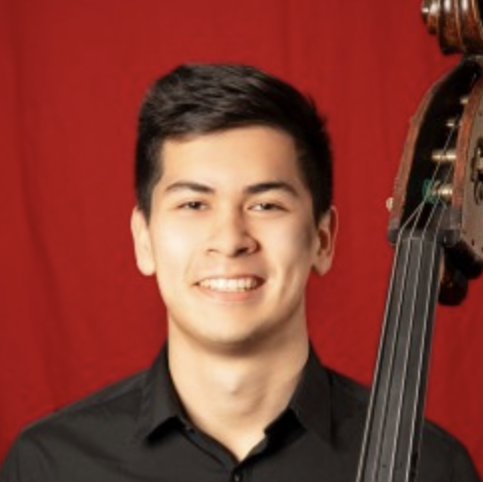
Aleck Belcher  / Bass
Picture
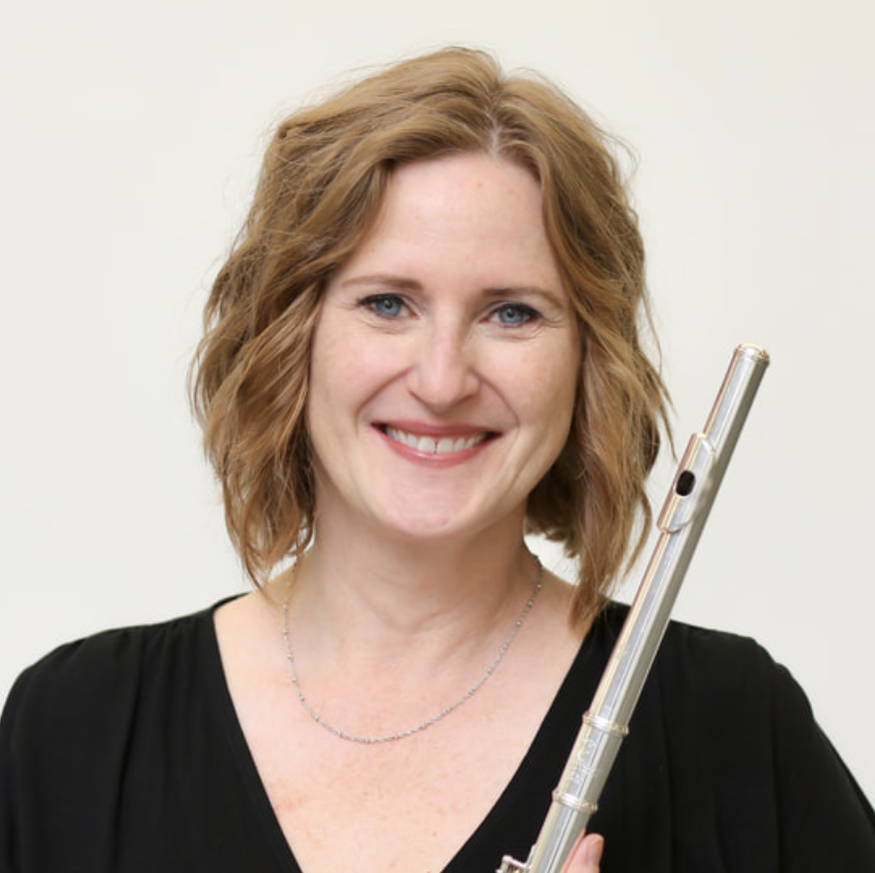
Jennifer Nitchman / Flute
Picture
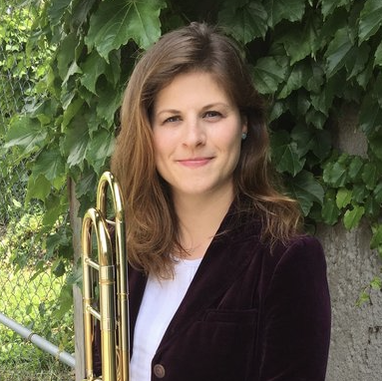
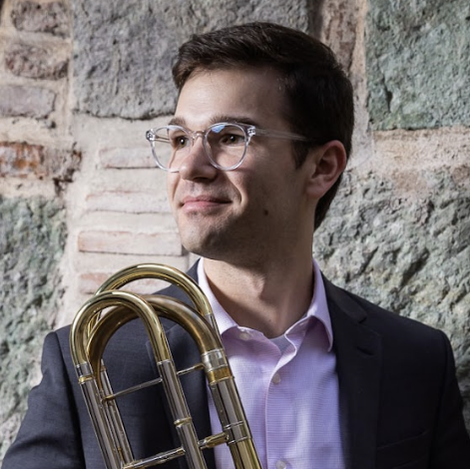
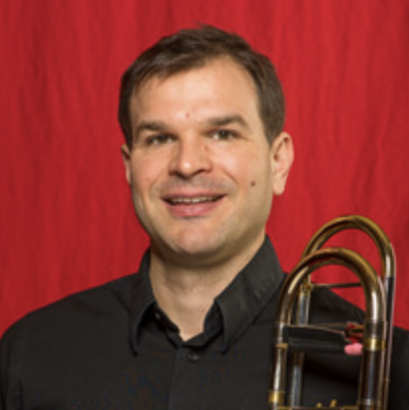
Amanda Stewart / Trombone
Picture
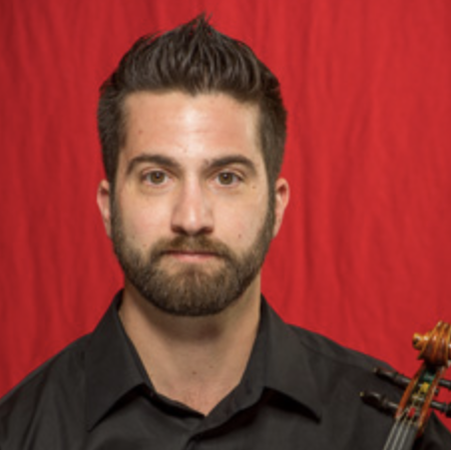
Chris Tantillo / Viola
Picture
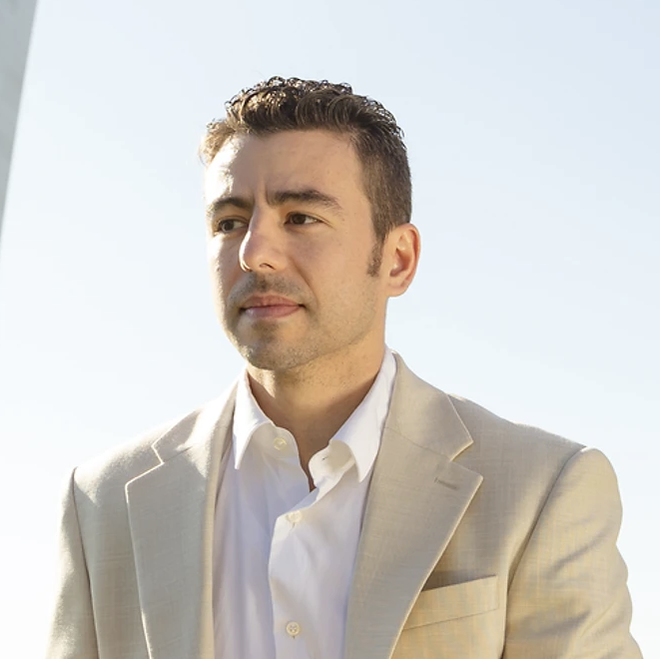
Jonathan Randazzo / Trombone
Picture
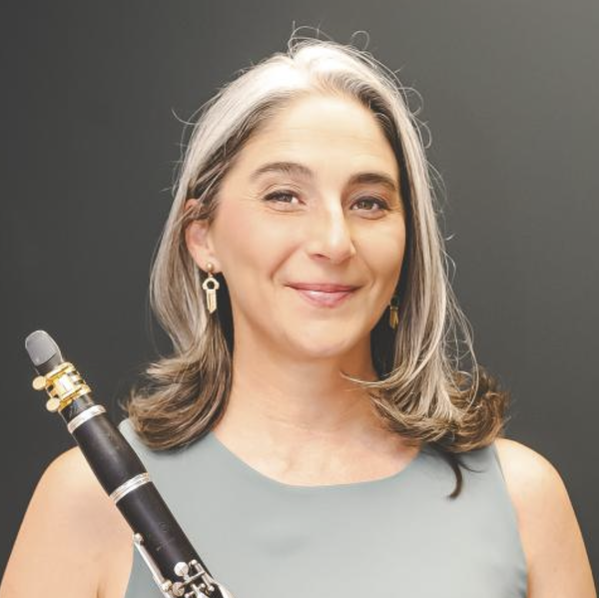
Dana Hotle / Clarinet
Picture
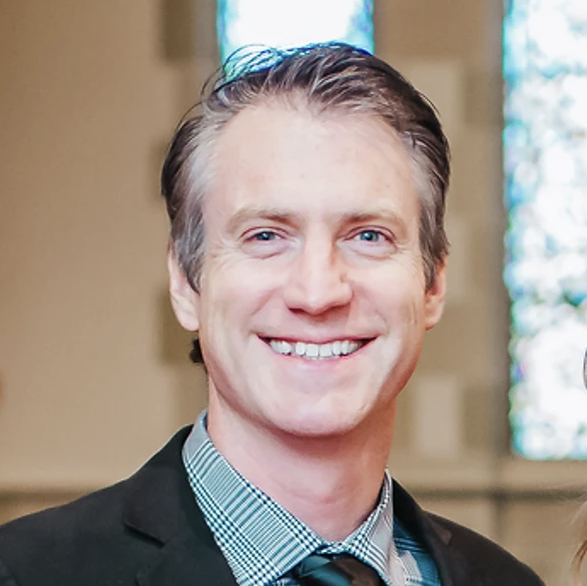
Matthew Mazzoni / Piano
Picture
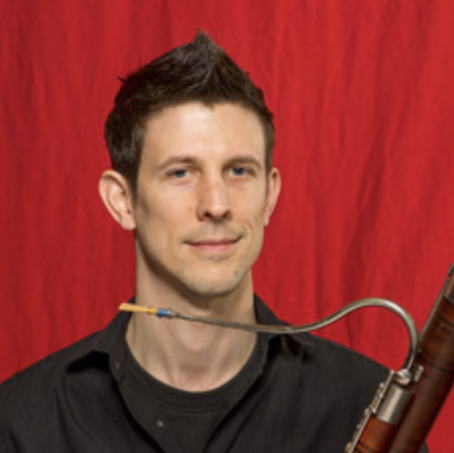
Andrew Gott / Bassoon
Picture
Chris Bassett / Bass Trombone
Picture
Jonathan Reycraft / Trombone
Johann Georg Albrechtsberger: Doppelfugue
Albrechtsberger (1736-1809) was born in Vienna, Austria. He studied music and philosophy and became one of the leading composition and music theory teachers of his time. Albrechtsberger was also the music director of the famous St. Stephen’s
Cathedral in Vienna. Among his students were Xavier Wolfgang Mozart, a son of Mozart, and Ludwig Van Beethoven!
Albrechtsberger’s Doppelfugue (Double Fugue) was originally written for organ, but has been arranged for four trombones by Mark Tezak.


John Hennecken: Diasphere
Henneken is an award winning, American composer. He currently teaches composition and music theory at Saint Norbert College in De Pere, Wisconsin. A trumpet player himself, Henneken has written many works for brass ensembles. Diasphere, is a work
for trombone quartet and was recorded by the St. Louis Trombones on their 2023 album, Confluence.


Erwin Schulhoff: Concertino for flute, viola and bass
Schulhoff (1894-1942) was born into a a humble German-Jewish family that resided in what is now Prague, Czech Republic. Schulhoff was a talented young musician and entered the Prague Conservatory to study composition and piano when he was only ten years old. Antonin Dvorak was among his mentors at the conservatory who encouraged Schulhoff to further his musical studies. Schulhoff heeded the advice and continued to study composition around the world with teachers such as Claude Debussy and Max
Reger.

After World War I, in which Schulhoff served on the Russian front and was imprisoned in an Italian prisoner of war camp, he returned to Prague. He became music faculty at the conservatory in 1929. Schulhoff continued composing and performing throughout the 1930’s, but because of his communist politics and his Jewish heritage he encountered many challenges. The
Nazi’s outlawed his compositions and public piano recitals. Schulhoff was safe in Prague for a while, but during World War II he was arrested and imprisoned at Wülzburg prison, near Weißenburg, Bavaria. Sadly, he died there in 1842 of tuberculosis.

Schulhoff composed his Concertino for Flute, Viola, and Double Bass in 1925. Apparently, it only took him four days to complete! Influences of Dvorak and Debussy are apparent throughout Concertino as well as elements of Hungarian folk melodies.


Glinka: Trio Pathetique in D minor
Glinka (1804-1857) was born in the Russian village, Novospasskoye. His family was wealthy and maintained close relations with the tsars. Although Glinka had a pampered childhood, he was presented with the unique opportunity of attending concerts of his uncle’s orchestra. This experience instilled a lasting love of music. At the age of 13, Glinka moved to St. Petersburg where he studied piano and composition at a school for noble children. After school, Glinka took a job as an assistant secretary to the Department of Public
Highways. The job was an easy one and afforded him ample time to compose and travel.


Glinka traveled and sometimes lived for short periods in several places throughout Europe including Germany, Switzerland, Italy, Austria, and France. In 1837, Glinka became a director for the Imperial Chapel Choir in St. Petersburg. Glinka’s compositions met with varied success throughout his career, but towards the end of his life Hector Berlioz took an interest in Glinka’s opera Ruslan and Ludmila and publicly praised Glinka as a composer. This was a career highlight for Glinka, especially since Ruslan and Ludmila was not well received after its premiere. Glinka’s operas Ivan Soussanine and Ruslan and Ludmila were at the forefront of Russia’s classical music evolution, and Glinka became known as the father of Russian nationalist music.

Glinka wrote Trio Pathetique in 1832. It was originally written for clarinet, bassoon, and piano but is often performed as a traditional piano trio (piano, violin, and cello). Glinka was traveling Europe during the early 1830’s, and by 1832 was residing in Milan. He spent three years in Milan and decided that it was his life’s calling to return to Russia and accomplish for Russia what his contemporary Italian composers (such as Donizetti and Bellini) had done for Italy.
Contact Us: [email protected]
© 2025 Ariel Concert Series

​​